Careers in Funeral Service
A Meaningful Path of Compassion and Connection
When people think about careers that make a difference, they often picture healthcare, education, or public service. But one deeply impactful and often misunderstood field is funeral service. For those drawn to helping others through life’s most difficult moments, it can be one of the most meaningful careers imaginable.
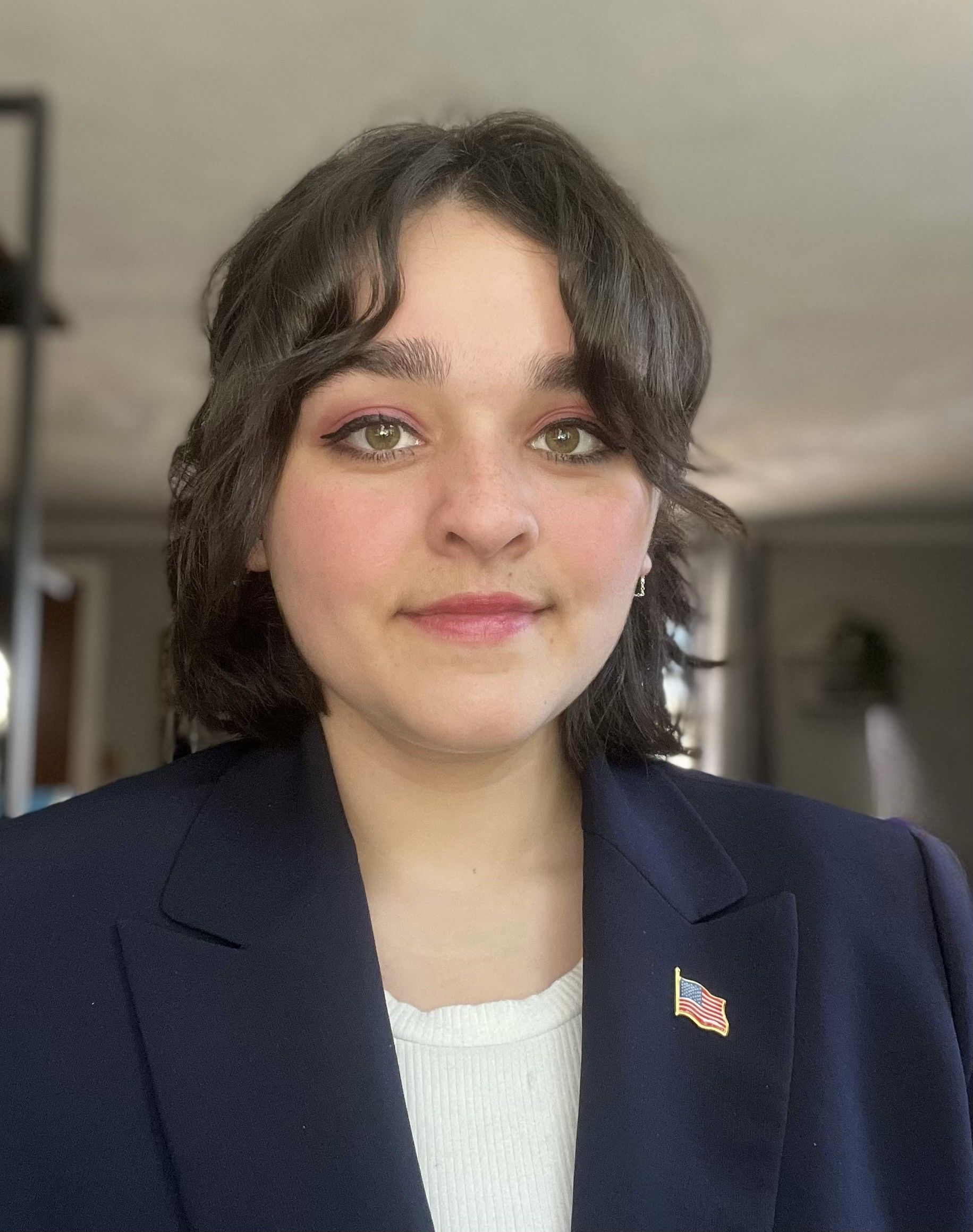
Nicole Plaisted, an apprentice funeral director at Keohane Funeral Home and Cremation, offers a powerful glimpse into what this path looks like and why it matters.
Finding a Calling in Service
Like many in the profession, Nicole didn’t set out from the beginning with a clear plan to become a funeral director. What she did know, however, was that she wanted to help people.
Having experienced significant personal loss at a young age, she was already familiar with the role funeral services play in honoring lives and supporting families. But it wasn’t until she discovered a mortuary science program at Cape Cod Community College that the idea truly took shape.
Curiosity led her to reach out to local funeral homes, where conversations with professionals in the field helped her see the career in a new light. What started as an interest quickly became a calling.
Breaking the Stigma
One of the biggest misconceptions about funeral service careers is that they are overwhelmingly somber. Nicole says this is the reaction she hears most often: “Oh, I could never do that.”
While grief is certainly a central part of the work, it’s far from the whole picture.
“There’s a lot of sadness,” she explains, “but I also see so much love. There’s laughter, remembrance, and beauty as well.”
Funeral directors don’t just manage logistics, they help families celebrate lives, preserve memories, and begin the healing process. It’s a role that blends emotional intelligence, communication, and organizational skill in a uniquely human way.
The Heart of the Work
For Nicole, the most rewarding part of the job is working directly with families.
“No two days are ever the same,” she says. “Every situation is unique. People grieve differently.”
A key part of the role is learning how to meet each family member where they are emotionally and guide them through the process with compassion. It’s a responsibility she takes seriously, and one she considers an honor.
This human-centered aspect is what draws many people to the field. Funeral service professionals often become a steady, reassuring presence during one of the most vulnerable times in a person’s life.
Learning Beyond the Classroom
Nicole is nearing the completion of her mortuary science degree and apprenticeship, but she’s quick to point out that education in this field goes far beyond textbooks.
“This is not a job that can be taught in school alone,” she says. “It’s hands-on.”
Apprenticeships and real-world experience are essential for developing the skills needed to navigate complex emotional situations, coordinate services, and support families effectively.
For those considering the field, patience and self-compassion are key. Growth takes time, and learning continues long after formal education ends.
A Supportive Path
Despite common assumptions, Nicole found strong support from those around her. With a mother in nursing, her career choice made sense to her family, and her friends recognized her natural fit for the role.
This highlights an important truth: funeral service is, at its core, a helping profession. Many of the same qualities valued in healthcare and social work (empathy, resilience, and communication) are just as essential here.
Considering a Career in Funeral Service
If you’re someone who wants to make a meaningful impact, isn’t afraid of emotional depth, and values human connection, funeral service may be worth exploring.
Nicole’s advice is simple: “Go for it.”
It’s a career that challenges you, teaches you, and ultimately allows you to serve others in a profound way. While it may not be the most conventional path, it’s one that offers purpose, variety, and the opportunity to be part of something deeply important.